
Tabla de contenido
Collaborators:
Lilia Núñez, physiatrist and Medical Director of Metas Sports
Ricardo Quezada, specialist in sports medicine and rehabilitation medicine.
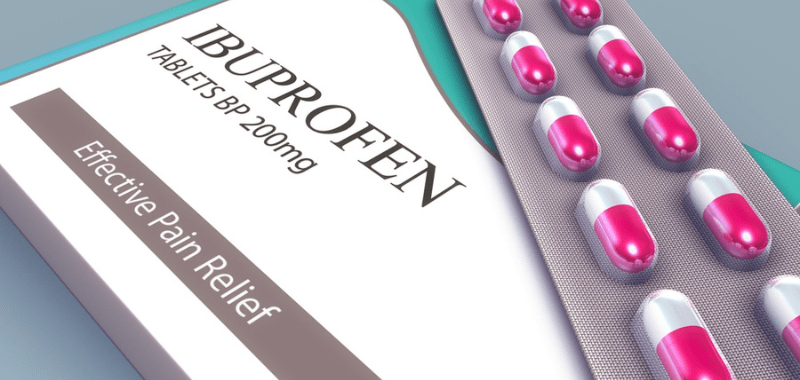
For many athletes, the consumption of NSAIDs (Non-Steroidal Anti-Inflammatory Drugs), the most popular being Ibuprofen, has become a kind of ritual. This is because these substances reduce inflammation and relieve muscle pain, which is true. Therefore, they should “prevent” pain during and after the race, thus allowing better performance and faster recovery.
“When an individual is subjected to an intense stimulus, the body will react, without a doubt, with the appearance of pain or an increase in volume,” explains Doctor Ricardo Quezada, a specialist in sports medicine and rehabilitation medicine. The specialist explains that when an individual is subjected to an intense stimulus, his body reacts with the appearance of pain or an increase in volume, but an adaptation mechanism will also be generated in response that will allow us to tolerate or even overcome the stimulus if it is applied again later. “This is the process of tissue adaptation. Stopping it is avoiding an adaptation,” he says.
Dismantling myths
Beyond what Doctor Quezada points out, various studies that have been carried out on this topic have concluded that it is false that consuming an Ibuprofen tablet helps prevent pain after exercise, but that it has been shown that the effect is the opposite, and its consumption will also interfere with the muscle recovery process.
According to Quezada, “Their use has not shown an advantage in the appearance of muscle pain related to physical effort, and instead, they have been associated with alterations in the production of proteins related to tissue repair.”
A study conducted by physiologist David Nieman, in which runners participating in the 100-mile Ultra Western States Endurance Run were evaluated, showed that those who consumed an ibuprofen tablet before and during the race had more significant inflammation than those who did not. They did it. In addition, these runners showed signs of mild kidney failure. Another finding of the study is that the consumption of Ibuprofen, before or during the race, does not affect the athlete’s perception of pain since the athletes who had consumed it and those who had not reported feeling pain similar to those who did not drink it.

Slower recovery process
On the other hand, in a controlled environment, an experiment was carried out where it was shown that NSAIDs, instead of accelerating the muscle recovery process, actually slowed it down. Warden, who led the study, comments that “NSAIDs work by inhibiting the production of prostaglandin”, substances that are involved in the pain process and in the production of collagen and it is at this point where the answer to why the recovery process slows down.
According to Warden, this inhibition of prostaglandin inhibits the production of collagen, the primary substance of most tissues. If there is little or no collagen production, muscle and other tissue recovery will be slower.
Adverse effects of ibuprofen on excersice
However, the adverse effects of ibuprofen consumption do not only occur at the muscle level. “The use of non-steroidal anti-inflammatory drugs, by altering kidney function and the function of a hormone called vasopressin, increases the risk of severe hyponatremia, which, as is already known, is potentially fatal due to the pulmonary and cerebral edema that occurs,” says the Dr. Lilia Núñez, physiatrist and Medical Director of Metas Sports.
Furthermore, as Núñez explains, due to the same inhibition of prostaglandin production, ibuprofen can also cause damage to the gastric mucosa, and gastritis and gastrointestinal bleeding can also occur.
Apart from runners who use NSAIDs to “prevent” pain during and after a race, there are those who argue that they consume Ibuprofen or even steroidal anti-inflammatories (Diprospan, Betagen Solspen, Celestone, etc.) before a race because they have some pain or discomfort they wish to alleviate. “An athlete in pain is an injured athlete,” comments the doctor. Pain is an alarm sign and should be listened to,” she says.
“Many times, glucocorticoids, the most dangerous, are prescribed by running friends and even worse by coaches, without knowing the adverse effects and putting at risk not only performance during the race but also the life of a runner.” For this reason, the doctor emphasizes the importance of avoiding self-medication and, if you experience any pain or discomfort, go to a specialist and follow her instructions.

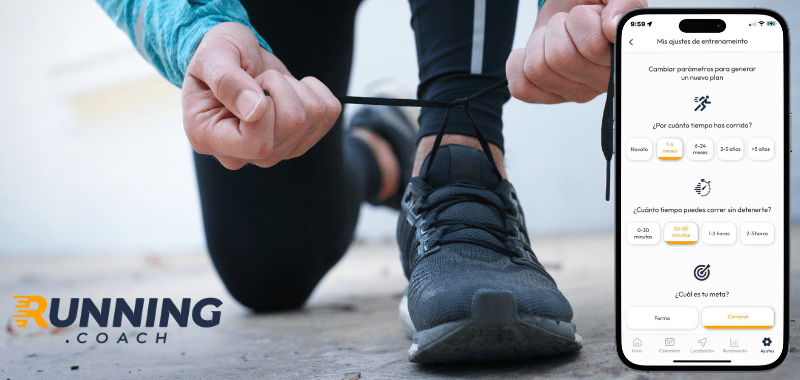
Looking for a plan that trains with you, not against you?
At running.COACH, we don’t just build a schedule. We create a smart, living plan that evolves with you. It understands your level, your race goals and your real life. Whether you sync your GPS watch or train straight from our iOS or Android app, your plan adjusts automatically as you improve.
From day one, you’ll feel the difference:
- A fully personalized, dynamic plan designed for you.
- Automatic sync and effortless workout tracking.
- Real-time updates when life happens, including missed sessions, new races or schedule changes.
- Simple, science-backed guidance to train smarter and recover faster.
🎁 Start today and enjoy your first 30 days free.
Because the best training plan isn’t one you follow. It’s one that follows you.app.









0 Comments