

Tabla de contenido
Plantar fasciitis is one of amateur or professional runners’ most frequently occurring injuries. It is the inflammation of the plantar fascia, a band of tissue that connects the heel to the toes and supports the arch of the foot. Plantar fasciitis is caused by overloading this ligament. Thus, small tears in the fascia can occur by subjecting the tissue to repetitive stress, producing inflammation and pain.
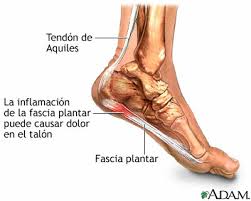
What makes you prone to developing plantar fasciitis? Wearing shoes that are inappropriate for your stride type or body weight condition, wearing worn-out shoes, not stretching before and after workouts and races, increasing mileage suddenly or abruptly, etc.
Detects plantar fasciitis:
- Shooting pain in the inner part of the heel that may extend to the foot’s arch.
- Pain in the heel in the morning, when getting out of bed and taking the first steps of the day, when standing for long periods, when climbing stairs, after intense activity such as lifting, running, etc.
- Mild inflammation in the heel.
The injury usually develops slowly and, as mentioned above, is quite common in runners. Recovery usually varies from 2 to 18 months, depending on the severity of the injury. Hence, it is vital to detect it as early as possible, treat it, and do exercises and stretching to prevent its appearance or recurrence, as the case may be. If you present the symptoms mentioned above, you must go to a specialist, such as a traumatologist or podiatrist, to make a final diagnosis and suggest a treatment according to the severity of your injury.
Tips to prevent plantar fasciitis:
- Never forget to stretch
- Apply ice to the area regularly for 10 minutes.
- Select the right shoe for running and daily use.
- Plan your training plan well, and do not increase mileage abruptly.
- Avoid using running shoes that are worn out or old.
- Always try to maintain a healthy and appropriate weight.
- Take care of your posture and running technique.
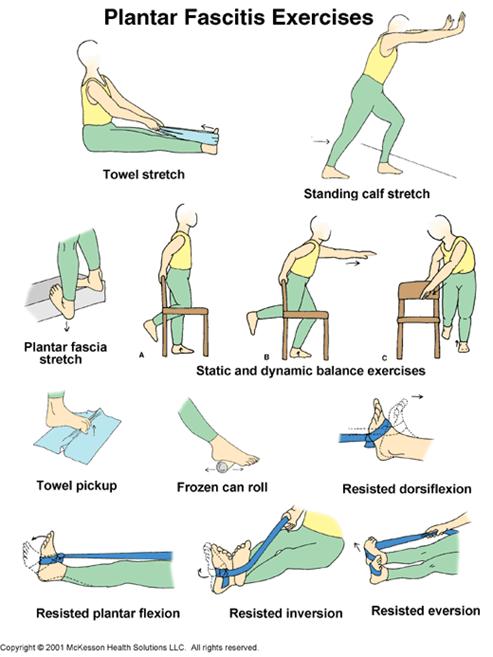
Here are some exercises that can be performed to rehabilitate and prevent plantar fasciitis. It is essential to take into account that, in addition to proper stretching of the sole, it is important to perform stretching of the Achilles tendon, calves, or calf, as they are muscles or ligaments that, if shortened, can generate unnecessary tension on the plantar fascia and other structures. Depending on the severity of the injury, treatment and rehabilitation should be guided by a physiotherapist who can use tools such as manual therapy, cryotherapy, or electrotherapy, which are other ways to address this injury.

Looking for a plan that trains with you, not against you?
At running.COACH, we don’t just build a schedule. We create a smart, living plan that evolves with you. It understands your level, your race goals and your real life. Whether you sync your GPS watch or train straight from our iOS or Android app, your plan adjusts automatically as you improve.
From day one, you’ll feel the difference:
- A fully personalized, dynamic plan designed for you.
- Automatic sync and effortless workout tracking.
- Real-time updates when life happens, including missed sessions, new races or schedule changes.
- Simple, science-backed guidance to train smarter and recover faster.
🎁 Start today and enjoy your first 30 days free.
Because the best training plan isn’t one you follow. It’s one that follows you.app.










0 Comments