

Tabla de contenido
Many of our readers live in hot climates such as the Caribbean or have to deal with high temperatures during the summer season, and they tell us about the difficulties this brings when training. Therefore, I share with you five recommendations for running in hot climates.
1. Avoid peak sun exposure hours
One of the most influential and essential ways to avoid the effects of the heat is to get up very early or run in the late afternoon. I avoid running sessions in the afternoon because obligations often become an obstacle to training. I believe in the saying, “The early bird catches the worm.
In addition, it is proven that running generates serotonin and melatonin, so if you run before starting the day’s routine, this will help to start with encouragement and less stress. On the other hand, training at the end of the day has proven to be highly therapeutic for many, helping to drain and release the stress of the day and being excellent for hours of sleep.

2. Use sunscreen and accessories
It sounds strange to cover up with sunscreen at 5:00 a.m., but when we run for two or more hours in these climates, even if we start very early, the strong sun hits us, and we have to be prepared. This is a very special recommendation from Deena Kastor (U.S. Olympic bronze medalist), to which I would add a hat and sunglasses.
Although the sun has vitamin D, it can be harmful after long periods of direct exposure. In addition, it is worth mentioning that as it dries our skin, it can cause dehydration and fatigue. So, by protecting ourselves properly from the sun, we also try to perform better during training sessions.
3. Be careful with hydration
Hydration is essential for runners, and in hot climates, even more so. It is important not only during the session but also before and after. See our Nutrition and Hydration section.
Based on the above, it is important to note that each body requires different types of training and diet. While it is important to maintain a balanced and complete diet without falling into excesses and avoiding processed foods and transgenic fats, the first step in this area always starts by visiting a medical specialist to develop the right diet for your body.

4. Wearing the right clothes
It is recommended that we wear clothes that protect us from the sun for very long sessions. Sometimes, on the beach, we see people training in swimsuits, which is definitely very comfortable but not a great idea if we have to run 20 or 30k.
For this, always seek to adapt your closet according to the climate of the season or the region in which you find yourself. This is the best option to train as comfortably as possible. It is important to note that fabrics such as nylon and polyester can be a good option as they are highly absorbent, as well as cool and light, making them ideal choices.
5. Adjust the speed of training sessions
If we have to do speed work, we must know that the repetitions will be adjusted. Less experienced runners should work at a slower pace, while more experienced runners should reduce the number of repetitions but maintain the pace whenever possible.
Please let us know if you have any other suggestions for enriching this article.

Looking for a plan that trains with you, not against you?
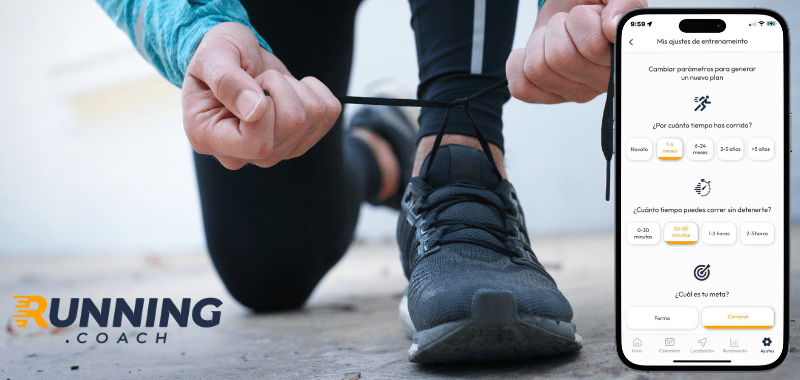
At running.COACH, we don’t just build a schedule. We create a smart, living plan that evolves with you. It understands your level, your race goals and your real life. Whether you sync your GPS watch or train straight from our iOS or Android app, your plan adjusts automatically as you improve.
From day one, you’ll feel the difference:
- A fully personalized, dynamic plan designed for you.
- Automatic sync and effortless workout tracking.
- Real-time updates when life happens, including missed sessions, new races or schedule changes.
- Simple, science-backed guidance to train smarter and recover faster.
🎁 Start today and enjoy your first 30 days free.
Because the best training plan isn’t one you follow. It’s one that follows you.app.









0 Comments